
News
Practice-Changing Randomized Trial Confirms Cervical Lordosis Rehabilitation Produces Sustained Pain Relief, Reduces Opioid Use, and Improves Neurophysiology in Cervical Radiculopathy
Eagle, Idaho — January 26, 2026
Two-year clinical outcomes reinforce the role of sagittal spinal correction in chiropractic care
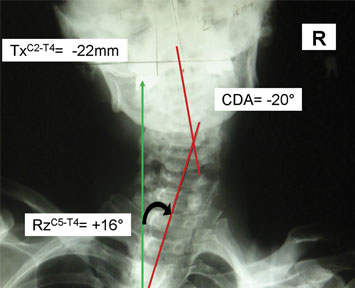
A recently published randomized controlled trial in the Journal of Clinical Medicine (a top tier Q1 multi-disciplinary journal) delivers compelling, long-term evidence that restoring cervical lordosis leads to sustained improvements in pain and objective nerve root function in patients suffering with cervical spondylotic radiculopathy (CSR)—one of the most common degenerative cervical conditions encountered in chiropractic practice.
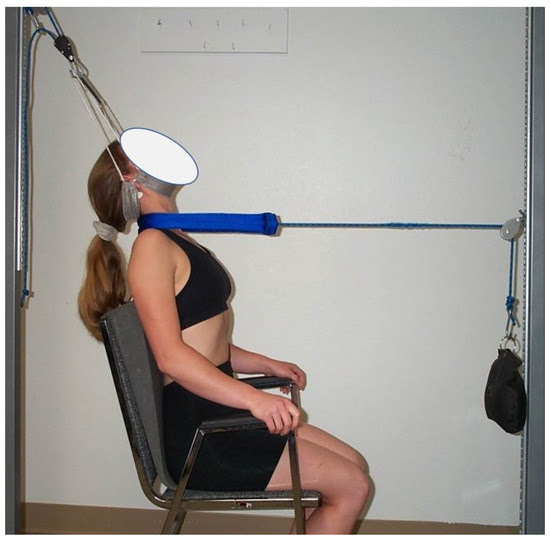
The study followed chronic CSR patients with documented cervical hypolordosis for two full years after cessation of treatment. The study used a treatment program of 3 x per week for 10 weeks comparing standard conservative care alone to the same care combined with cervical 2-way extension traction specifically designed to restore sagittal cervical alignment. While both groups experienced short-term symptom relief, only the group receiving lordosis rehabilitation demonstrated durable, progressive improvement at long-term follow-up.
Researchers found that patients receiving cervical lordosis rehabilitation achieved:
- Significant restoration of cervical curvature (C2–C7 ARA) that was maintained at both 3-month and 2-year follow-ups;
- Sustained reductions in neck and arm pain, with continued improvement at 2 years;
- Objective improvements in nerve root function at C6-C8, measured via dermatomal somatosensory evoked potentials (DSSEPs), which persisted long after treatment ended;
- Reduced reliance on medications including cessation of Opioid usage and reduced usage of adjunctive therapies compared to patients receiving standard care alone.
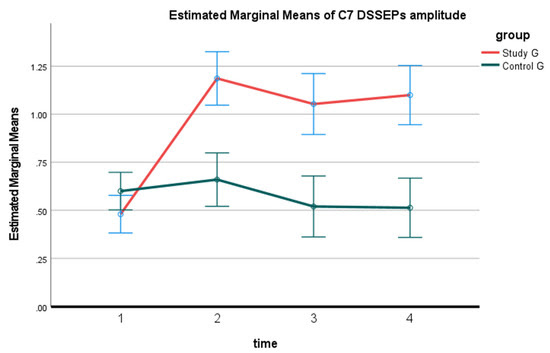
In contrast, the control group—treated with stretching, exercises and infrared therapy without cervical sagittal correction—demonstrated regression in pain and neurophysiological measures over time, highlighting the limitations of symptom-based care when underlying biomechanical alignment is not addressed.
Importantly for chiropractors, the study identified clear correlations between improved cervical lordosis, reduced pain intensity, and improved nerve root function, providing objective confirmation that sagittal plane correction plays a meaningful role in long-term outcomes for cervical radiculopathy patients.
“For chiropractors and spine rehabilitation specialists, the message from this trial is very clear,” said Dr. Deed E. Harrison, co-author of the study and a leading researcher in spinal biomechanics. “Short-term symptom relief is not the same as long-term correction. When cervical lordosis is restored in hypolordotic radiculopathy patients, we see sustained improvements not only in pain, but in objective measures of nerve root function—and those improvements can persist for years. This elevates the standard of conservative cervical care.” Dr. Harrison concluded: “I’m very honored to work with my colleagues Professor Ibrahim Moustafa and Professor Aliaa Diab to bring this ground breaking treatment to the scientific publications like the JCM in the effort to improve patient care”.
The authors conclude that clinicians treating cervical degenerative disorders should consider sagittal cervical curve correction an essential component of rehabilitation for appropriately selected patients, rather than relying solely on modalities aimed at temporary symptom relief.
For Doctors of Chiropractic, this study reinforces a core biomechanical principle: structure influences function, and long-term outcomes improve when care strategies address the spine’s sagittal alignment—not just pain presentation.

Study Reference:
Moustafa IM, Diab AA, Harrison DE. The Efficacy of Cervical Lordosis Rehabilitation for Nerve Root Function and Pain in Cervical Spondylotic Radiculopathy: A Randomized Trial with 2-Year Follow-Up. Journal of Clinical Medicine. 2022;11:6515. https://www.mdpi.com/2077-
About Dr. Deed E. Harrison
Dr. Harrison is a globally recognized chiropractic researcher and pioneer in spinal rehabilitation methods, serving as President/CEO of Chiropractic BioPhysics® (CBP) NonProfit. He has co-authored more than 260 peer-reviewed publications and lectures internationally on evidence-based structural spine care.
About CBP Non-Profit
This publication reflects the mission of CBP Non-Profit—advancing spine and posture research to improve patient care worldwide. Our ongoing projects continue to validate the role of posture correction in musculoskeletal and neurological health.
 Learn more: www.CBPNonprofit.com
About CBP Non-Profit
CBP NonProfit is a 501(c)(3) research foundation dedicated to the advancement of spine rehabilitation through high-quality, peer-reviewed chiropractic and physiotherapy research. With over 350 published studies to date, CBP NonProfit is a global leader in evidence-based spinal care innovation.
CBP NonProfit
Video Library

CBP NonProfit
300+ Peer-Reviewed Publications
Chiropractic Biophysics Non-profit, Inc. is a 501(c)(3) nonprofit corporation dedicated to the advancement of chiropractic principles through scientific research. Dr. Don Harrison (deceased) and his second wife Dr. Deanne LJ Harrison (deceased) founded CBP research foundation in 1982; it was registered as CBP Non-Profit, Inc. in 1989 by Dr. Sang Harrison (Don’s 3rd and final life’s love). Through this organization Dr. Don and colleagues have published over 300 peer-reviewed spine and Chiropractic research publications. Further, CBP Non-Profit, Inc. has funded many scholarships as well as donated chiropractic equipment to many chiropractic colleges; always trying to support chiropractic advancement and education. Dr. Don Harrison was the acting president of CBP Non-Profit, Inc. since 1982. Currently, Dr. Deed Harrison (Don’s son) is the President of CBP Non-Profit, Inc. Read More